
Sustainability

Practical steps toward more responsible manufacturing. We focus on what we can actually improve, one decision at a time.

Sustainability in fashion is often presented as a single large transformation. At Nice Tones, we take a different view. Real progress comes from consistent, practical choices made across sourcing, development, production, and design thinking. We do not claim to have solved every challenge. Instead, we focus on reducing waste, making better decisions where they matter most, and being transparent about where we are in the journey.

Our Practical Approach

We believe meaningful change happens through small, deliberate steps rather than one dramatic leap. This mindset shapes how we work every day.

Instead of treating sustainability as a separate department or marketing message, we try to embed it into everyday decisions. This includes how we develop samples, which materials we recommend, how we manage production quantities, and how we think about what happens to a garment after it is worn.

We follow a simple principle: refuse what is unnecessary, reduce what we can, repair where possible, reuse what still has value, and recycle what remains. These are not slogans. They are the questions we ask ourselves and our partners on every project.
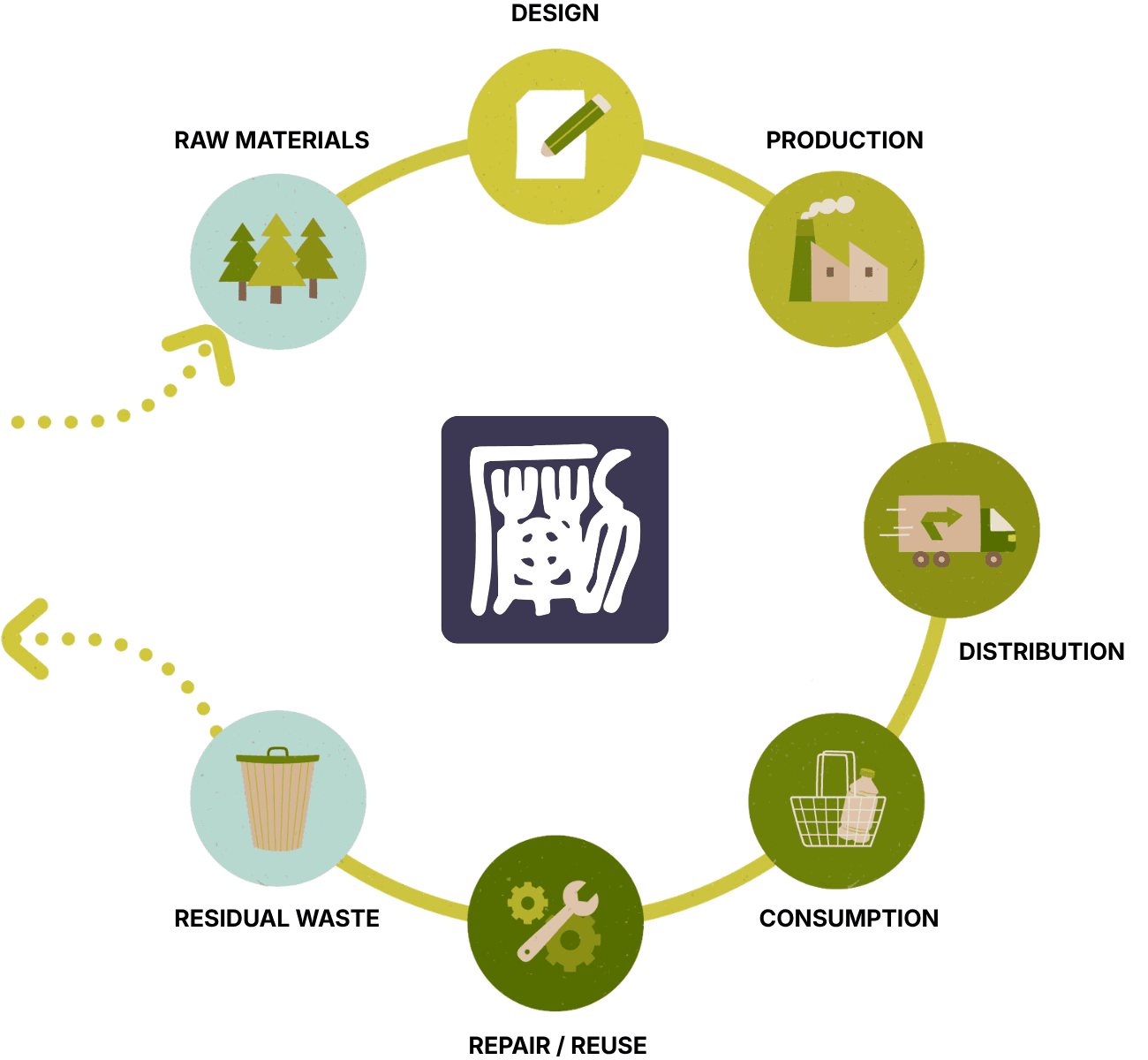
Refuse what is unnecessary, Reduce what we can, Repair where possible, Reuse what still has value, and Recycle what remains.

Refuse what is unnecessary, Reduce what we can, Repair where possible, Reuse what still has value, and Recycle what remains.

Refuse what is unnecessary, Reduce what we can, Repair where possible, Reuse what still has value, and Recycle what remains.

From Linear to Circular

For many years, the dominant model in fashion has been linear. Take resources, make products, and eventually discard them. This approach has led to enormous waste across the industry.

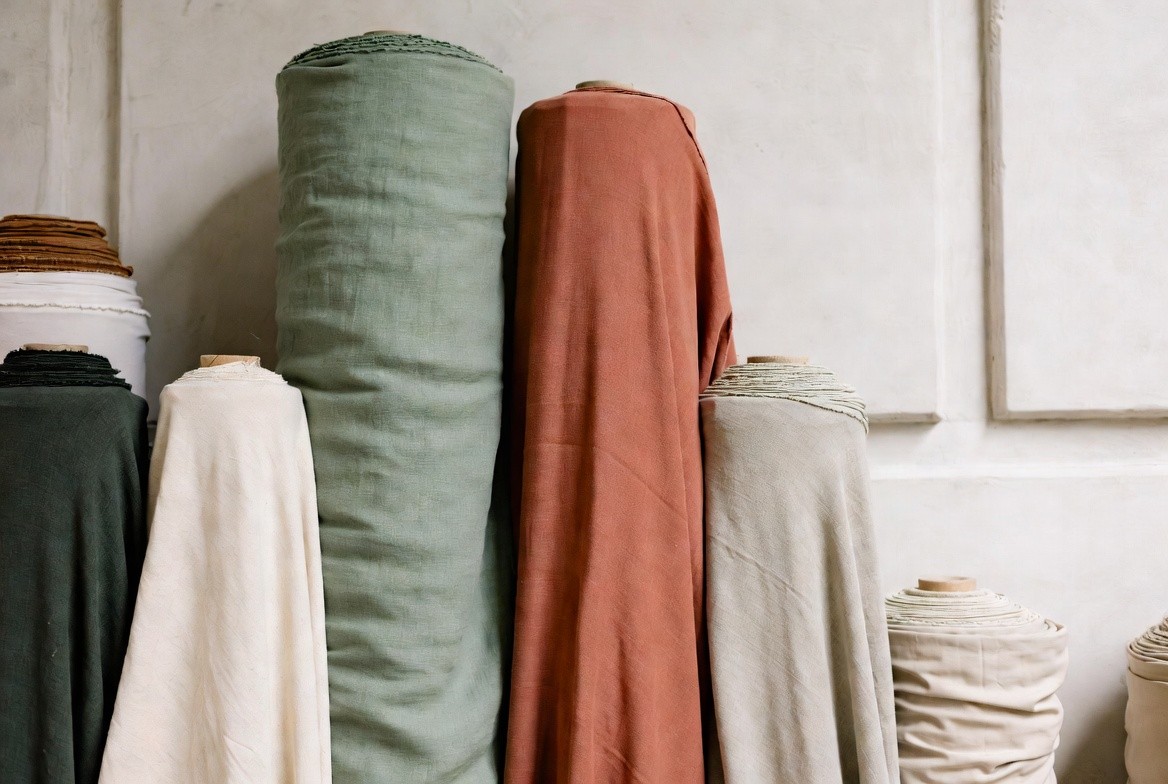
We are working to move away from this model in practical ways. One example is our use of high-quality deadstock fabrics that would otherwise go to waste. Rather than letting these materials sit unused, we have turned them into our own in-house label, Anthora Collection. Every piece is designed for longevity and tested for durability over many wears and washes.

We also encourage brands to think about the full life of a garment at the design stage. Choices made early in development, such as construction details, material selection, and even packaging, directly influence how long a product lasts and what happens to it at the end of its use.

Our goal is not to achieve perfect circularity overnight. It is to make steady progress by reducing waste at every stage we can influence.

Our Impact

We align our efforts with the United Nations Sustainable Development Goals that are most relevant to our work. Here is how we contribute in practice.
SDG 4

We run seminars and workshops for school students in Hong Kong, introducing young people to the realities of garment manufacturing and encouraging more conscious thinking about design, production, consumption, and sustainability regardless of their future careers. Internally, we also invest in continuous learning across all ages and roles, such as supporting a 63-year-old pattern maker in mastering 3D prototyping tools.

SDG 9

We adopt practical technologies including 3D sampling, partnerships with AI sizing developers to map 2D patterns onto 3D bodies for accurate ecommerce fits and reduced returns, assistance with AI waste sorting trained on our production materials for better accuracy and efficiency, and sourcing of innovative material options like seaweed fibers.

SDG 13

We take consistent, practical steps to lower our environmental footprint. This includes reducing material waste through smarter development processes, selecting lower-impact options when viable, and raising awareness around issues such as microplastic pollution from synthetic fibers.

SDG 8

We maintain long-term, respectful relationships with our factory partners and have made deliberate choices to build a more stable and responsible operation. By prioritizing fair treatment, predictable workloads, and long-term planning over short-term volume, we create better outcomes for our team, partners, and the communities we operate in.

SDG 12

We focus on producing closer to actual demand through low minimum order quantities starting from 50 units, helping brands avoid overproduction. We prioritize deadstock materials, design for longevity, incorporate circular materials where suitable, and enhance supply chain transparency with digital product passports and end-of-life considerations during development.

SDG 17

We actively seek meaningful collaborations with innovators in technology, AI, and materials. Through joint projects, our podcast The Conscious Cut, and educational initiatives, we believe faster progress comes from openly sharing knowledge and building partnerships for a more sustainable industry.

SDG 4

We run seminars and workshops for school students in Hong Kong, introducing young people to the realities of garment manufacturing and encouraging more conscious thinking about design, production, consumption, and sustainability regardless of their future careers. Internally, we also invest in continuous learning across all ages and roles, such as supporting a 63-year-old pattern maker in mastering 3D prototyping tools.

SDG 8

We maintain long-term, respectful relationships with our factory partners and have made deliberate choices to build a more stable and responsible operation. By prioritizing fair treatment, predictable workloads, and long-term planning over short-term volume, we create better outcomes for our team, partners, and the communities we operate in.

SDG 9

We adopt practical technologies including 3D sampling, partnerships with AI sizing developers to map 2D patterns onto 3D bodies for accurate ecommerce fits and reduced returns, assistance with AI waste sorting trained on our production materials for better accuracy and efficiency, and sourcing of innovative material options like seaweed fibers.

SDG 12

We focus on producing closer to actual demand through low minimum order quantities starting from 50 units, helping brands avoid overproduction. We prioritize deadstock materials, design for longevity, incorporate circular materials where suitable, and enhance supply chain transparency with digital product passports and end-of-life considerations during development.

SDG 13

We take consistent, practical steps to lower our environmental footprint. This includes reducing material waste through smarter development processes, selecting lower-impact options when viable, and raising awareness around issues such as microplastic pollution from synthetic fibers.

SDG 17

We actively seek meaningful collaborations with innovators in technology, AI, and materials. Through joint projects, our podcast The Conscious Cut, and educational initiatives, we believe faster progress comes from openly sharing knowledge and building partnerships for a more sustainable industry.

Waste Reduction & Deadstock

One of the most direct ways we reduce impact is by giving new life to high-quality deadstock fabrics. Instead of allowing these materials to remain unused or be discarded, we have built Anthora Collection around them.

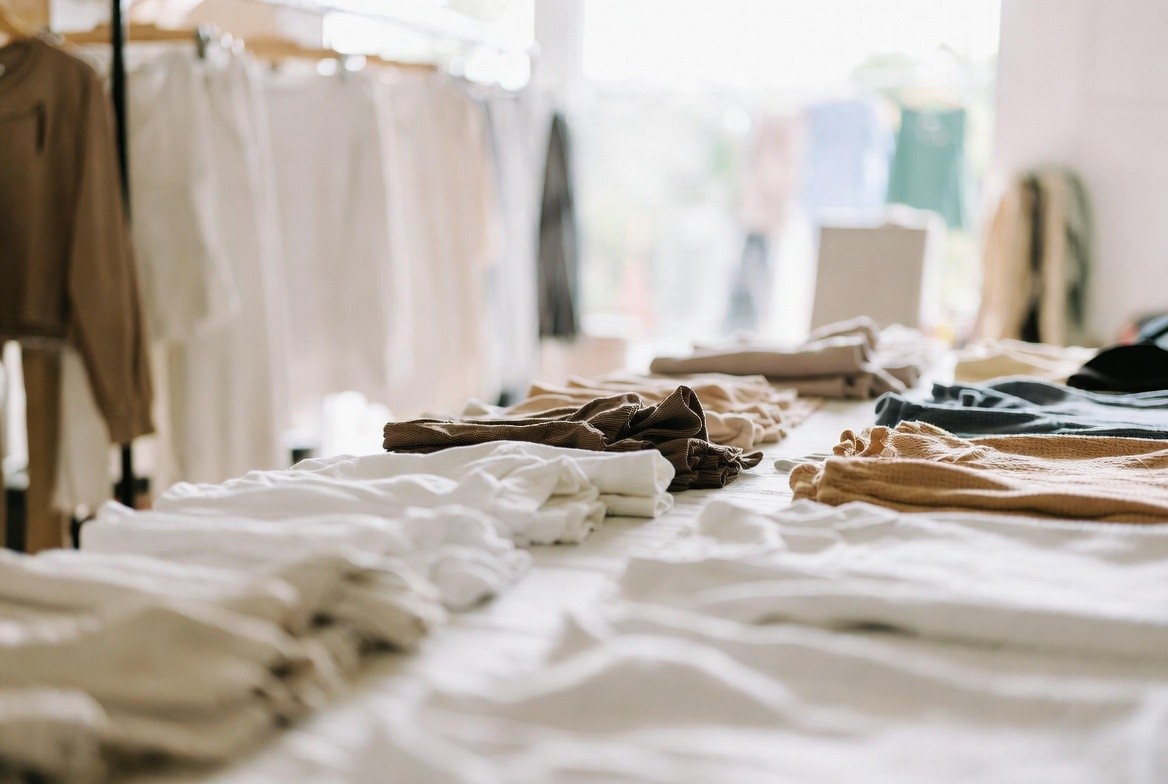
Every garment in the collection is designed to be timeless and durable. We personally test samples through repeated wearing and washing to ensure they meet our standards for longevity. This approach turns potential waste into products that can be worn and valued for years.

We also apply the same thinking to our development process. By using 3D tools more extensively, we reduce the number of physical samples created during the design phase. Less sampling means less fabric waste before production even begins.
Packaging & Mindful Choices

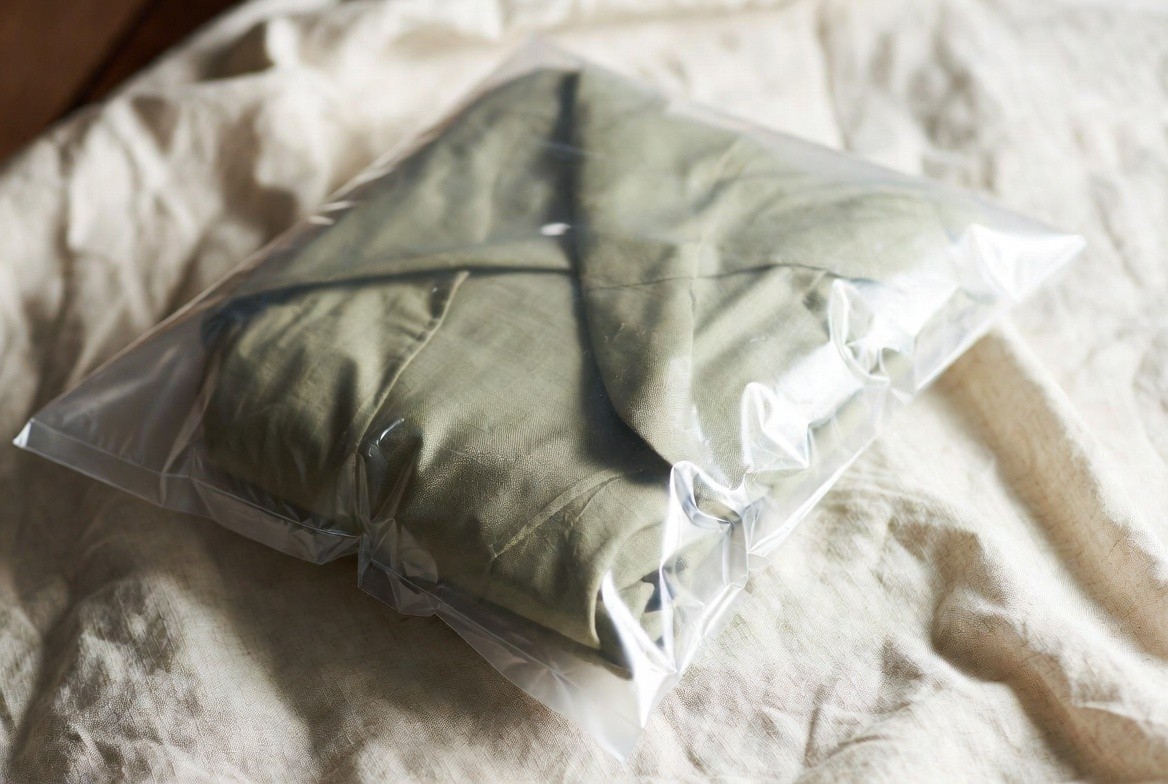
We pay attention to the smaller details that still add up. This includes exploring more responsible packaging options, such as reusable laundry bags or water-soluble alternatives, and reducing unnecessary components like excess labels or tags where they do not serve a clear purpose.

These choices may seem small on their own. Over time and across many orders, however, they contribute to a meaningful reduction in waste.

A Note on Honesty

We are honest about what we can and cannot do. We do not have every certification. We do not claim to be a zero-waste operation. What we do have is decades of real manufacturing experience, a willingness to keep improving, and a commitment to making practical decisions that reduce harm without creating unrealistic promises.

We prefer steady, honest progress over dramatic claims that cannot be backed up.

Let us work together

If you are looking for a manufacturing partner who takes sustainability seriously but approaches it with realism and transparency, we would be glad to speak with you.

Start a Conversation

Start a Conversation

See how we put these ideas into practice

About Us

Capabilities

Our Work

Impact

Contact Us

Education & Social Responsibility

Anthora Collection

Conscious Cut Podcast

NICE TONES

勵仁有限公司

© 2026 Nice Tones Limited | Skyrex International Limited

About Us

Capabilities

Our Work

Impact

Contact Us

Education & Social Responsibility

Anthora Collection

Conscious Cut Podcast

NICE TONES

勵仁有限公司

© 2026 Nice Tones Limited | Skyrex International Limited

About Us

Capabilities

Our Work

Impact

Contact Us

Education & Social Responsibility

Anthora Collection

Conscious Cut Podcast

NICE TONES

勵仁有限公司

© 2026 Nice Tones Limited | Skyrex International Limited